Inner Growth: The Journey of the Soul
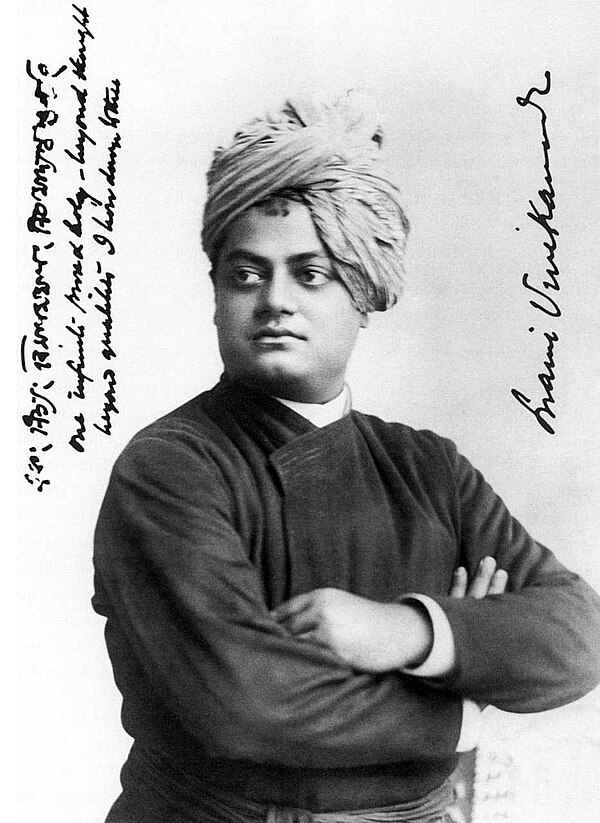
Swami Vivekananda's assertion that "You have to grow from the inside out. None can teach you, none can make you spiritual. There is no other teacher but your own soul" invites us to reflect on the profound nature of personal development and spiritual awakening. This statement emphasizes the intrinsic journey of self-discovery, suggesting that true wisdom and spirituality cannot be imparted by external sources but must emerge from within. In a world often dominated by external validation and teachings, this perspective challenges us to seek our own inner truth and cultivate our spiritual essence.
As we delve deeper into this quote, we recognize that it speaks to the essence of self-reliance in spiritual growth. The notion that no one can teach us spirituality underscores the importance of personal experience and introspection. It compels us to confront the reality that while guidance may be offered, the ultimate understanding and transformation must arise from our own soul's journey. This idea resonates with the contemporary seeker, who often grapples with the tension between external teachings and internal realizations, making it a vital theme in our quest for authenticity.
The image / the metaphor
The imagery in Vivekananda's quote evokes a sense of organic growth, akin to a seed that must push through the soil to reach the light. The verbs "grow" and "teach" suggest a dynamic process, where growth is not merely passive but requires active engagement and effort from the individual. The phrase "from the inside out" emphasizes that the source of this growth is internal, rooted in the depths of one's being rather than in external circumstances or influences. This metaphor of growth implies a journey that is both personal and transformative, highlighting the necessity of nurturing one's inner life to achieve spiritual maturity.
In the speaker's tradition
Swami Vivekananda's teachings are deeply rooted in the Hindu tradition, which emphasizes the importance of self-realization and the pursuit of dharma, or one's true path. In this context, the idea that "none can teach you" aligns with the concept of prajna, or wisdom, which is understood as an inner knowing that transcends intellectual understanding. This perspective invites us to explore the depths of our own consciousness, recognizing that the journey toward spiritual awakening is a deeply personal endeavor, often requiring solitude and introspection.
Moreover, Vivekananda's emphasis on the soul as the ultimate teacher resonates with the teachings found in the Upanishads, where the idea of Atman, or the true self, is central. The Upanishads articulate that the realization of one's true nature is the highest form of knowledge, suggesting that external teachings are merely pointers toward this inner truth. In this light, Vivekananda's quote serves as a reminder that while we may seek guidance from others, the true essence of our spiritual journey lies within, waiting to be uncovered through our own efforts.
Living the teaching
Consider a modern scenario where an individual embarks on a journey of self-discovery after experiencing a significant life change, such as a career transition or the end of a relationship. In this context, the teaching of growing from the inside out becomes particularly relevant. The individual may seek advice from friends, mentors, or self-help books, yet ultimately, it is through their own reflections, experiences, and inner dialogues that they begin to understand their true desires and aspirations. This process of introspection allows them to reconnect with their authentic self, leading to a more fulfilling path forward.
In another application, imagine a person navigating a challenging relationship. The temptation may be to seek external validation or to rely on others to resolve conflicts. However, embracing Vivekananda's teaching encourages this individual to turn inward, examining their own feelings, motivations, and responses. By doing so, they may discover patterns that require healing or growth, ultimately leading to a deeper understanding of themselves and a more authentic connection with their partner. This inner work fosters not only personal growth but also enriches the relational dynamic, illustrating the profound impact of self-awareness on our interactions with others.
A reflection
As we contemplate Swami Vivekananda's profound words, we are invited to consider the following question: In what ways can I cultivate a deeper connection with my own soul to guide my spiritual journey? This inquiry encourages us to reflect on our current practices, beliefs, and the influences we allow into our lives. By engaging with this question, we open ourselves to the possibility of profound inner growth, recognizing that the path to spiritual awakening is uniquely ours to navigate.