The Power of Self-Transformation
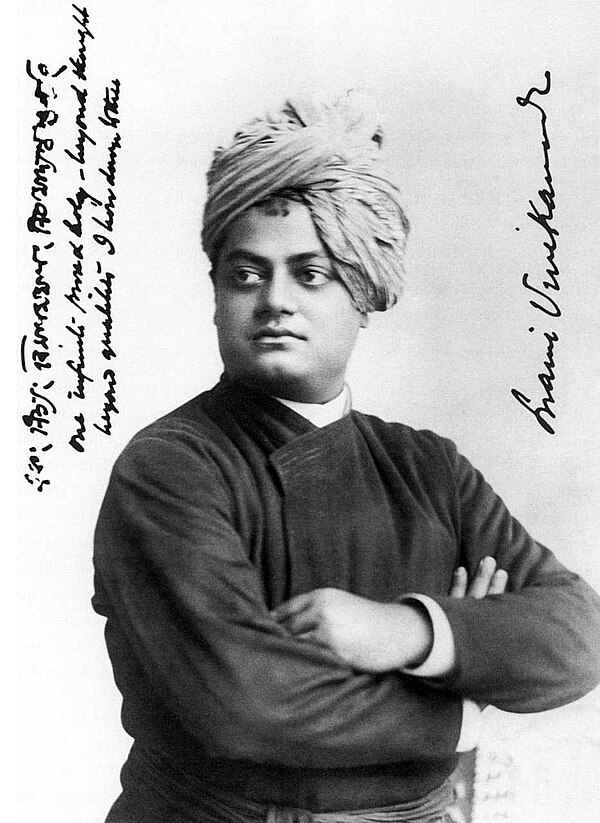
Swami Vivekananda's assertion that "What we wish ourselves to be, we have the power to make ourselves" invites us to reflect on the profound connection between desire and self-creation. This statement emphasizes the inherent agency we possess in shaping our identities and destinies. In a world often dominated by external circumstances, this teaching serves as a reminder that our inner landscape holds the key to our transformation. The stakes are high; understanding this power can lead us to a more authentic existence, where we consciously align our actions with our aspirations.
Delving deeper into this quote reveals a rich tapestry of self-awareness and responsibility. It suggests that our aspirations are not mere fantasies but rather blueprints for our potential. By acknowledging our capacity to mold ourselves, we embrace a path of active engagement with our lives. This perspective challenges us to take ownership of our choices and to recognize that the journey of self-discovery is both a personal and collective endeavor. In this light, Vivekananda's words resonate as a call to awaken the latent possibilities within us.
The image / the metaphor
The imagery in Vivekananda's quote evokes a sense of empowerment and agency. The phrase "what we wish ourselves to be" conjures visions of dreams and aspirations, while "we have the power to make ourselves" suggests an active, almost sculptural process of self-creation. This metaphor of crafting oneself implies that we are not passive recipients of our circumstances but rather active participants in our evolution. The verbs chosen—"wish" and "make"—highlight the duality of desire and action, underscoring that transformation requires both vision and effort.
In the speaker's tradition
Swami Vivekananda's teachings are deeply rooted in the Hindu tradition, where concepts such as dharma, or righteous duty, and prajna, or wisdom, play pivotal roles in the journey of self-realization. The notion of self-creation aligns with the idea of dharma, which encourages individuals to fulfill their unique potential in accordance with their true nature. This responsibility to oneself and to the world reflects the interconnectedness of all beings, emphasizing that our personal growth contributes to the collective evolution of humanity.
In the context of Vivekananda's work, we can draw parallels to the Bhagavad Gita, where Lord Krishna imparts wisdom to Arjuna about the importance of self-actualization and fulfilling one's duty. The Gita teaches that true fulfillment arises when we align our actions with our higher selves, echoing Vivekananda's assertion that we possess the power to shape our destinies. This sacred text serves as a reminder that the journey of self-creation is not merely an individual pursuit but a divine calling that resonates through the ages.
Living the teaching
Consider a modern scenario where an individual feels unfulfilled in their career. They may wish to be more creative, to express themselves authentically, or to contribute meaningfully to society. By internalizing Vivekananda's teaching, this person recognizes that they have the power to make changes in their life. They might start by exploring their passions, seeking new opportunities, or even taking a leap of faith to pursue a different path. This process of self-creation becomes a journey of discovery, where each step taken is a manifestation of their aspirations.
In relationships, this teaching can also find profound application. Imagine a person who wishes to cultivate deeper connections with their loved ones. By acknowledging their desire and taking responsibility for their actions, they can initiate open conversations, practice active listening, and express their feelings more authentically. This commitment to self-transformation not only enriches their relationships but also fosters a sense of community and understanding. In both scenarios, the essence of Vivekananda's message is clear: our wishes, when coupled with intention and action, can lead to meaningful change.
A reflection
As we contemplate Swami Vivekananda's powerful assertion, we are invited to reflect on our own aspirations and the ways we might be holding ourselves back. What do we truly wish to become, and how can we take responsibility for our journey of self-creation? In this moment of introspection, let us consider: what small, intentional steps can we take today to align our actions with our deepest desires? This question serves as a guiding light, illuminating the path toward our authentic selves.