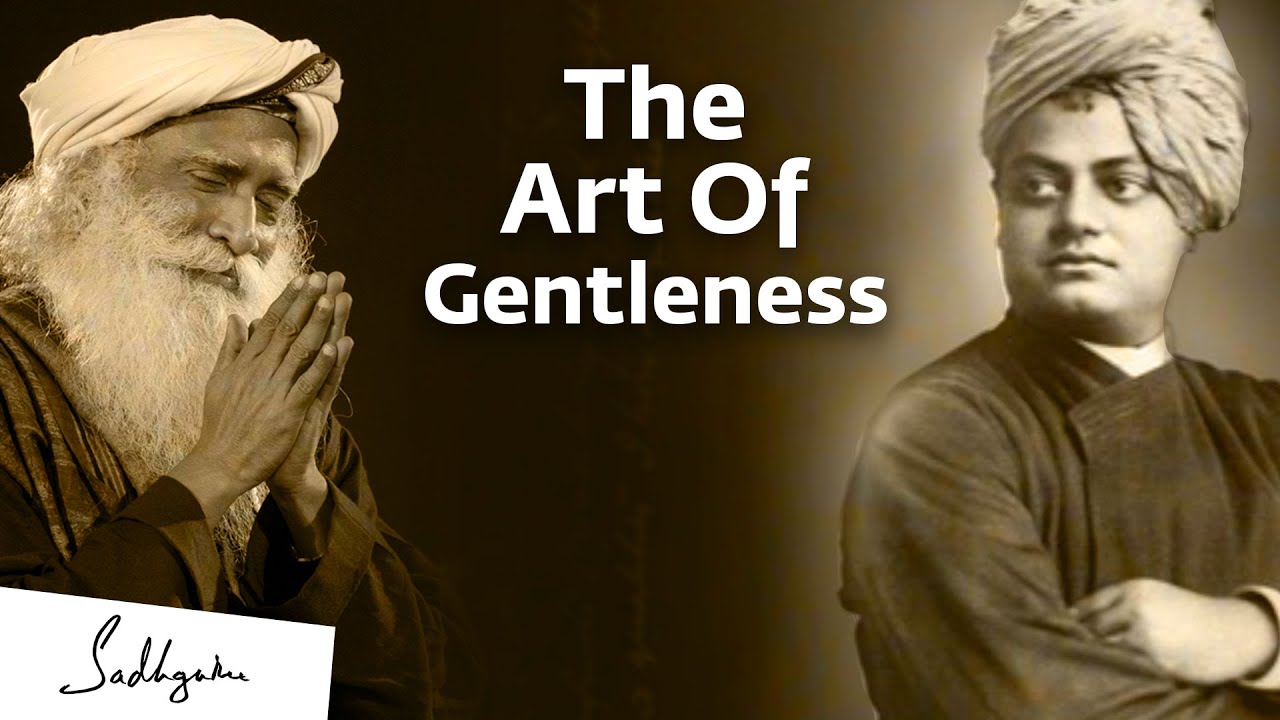
The Inner Journey of Education: Unveiling Perfection
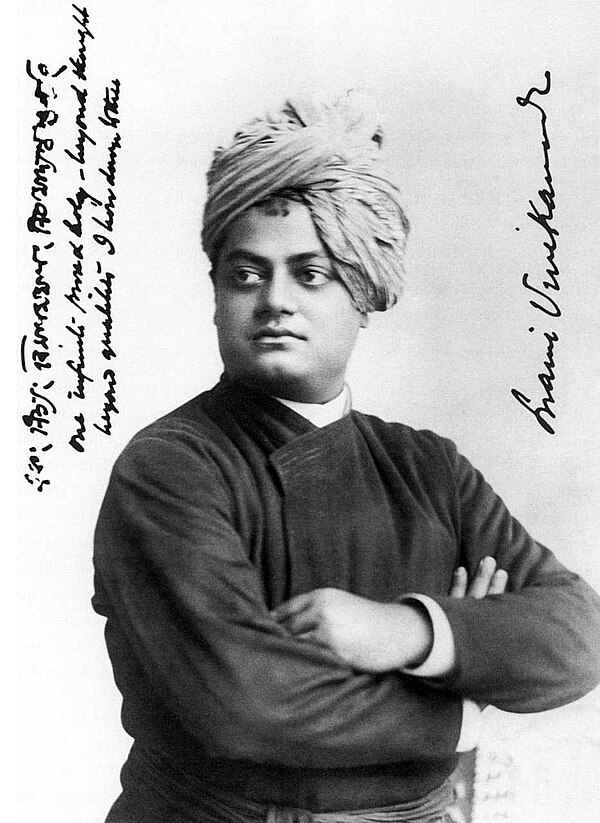
Swami Vivekananda's assertion that "Education is the manifestation of the perfection already in man" invites us to reconsider the very essence of education itself. Rather than viewing education as a mere accumulation of knowledge or skills, this perspective encourages us to see it as a process of unveiling the inherent potential that resides within each individual. This understanding shifts the focus from external validation to internal realization, emphasizing the transformative power of self-discovery and personal growth.
In a world often preoccupied with grades, accolades, and societal expectations, Vivekananda's words remind us that true education transcends these superficial markers. It is a journey toward recognizing and nurturing the innate qualities that define our humanity—qualities such as compassion, wisdom, and creativity. This deeper understanding of education as a manifestation of our inner perfection not only elevates the learning experience but also fosters a more profound connection to ourselves and others.
The image / the metaphor
At the heart of Vivekananda's quote lies a rich tapestry of imagery that evokes the process of uncovering rather than constructing. The term "manifestation" suggests a revealing, a bringing forth of what is already present, akin to an artist unveiling a sculpture from a block of marble. The choice of the word "perfection" implies that within each person exists a completeness, a wholeness that is often obscured by ignorance or external distractions. This imagery invites us to envision education as a gentle excavation of the self, where layers of conditioning are peeled away to reveal our true essence.
Diving deeper into this metaphor, we can liken the process of education to that of a seed germinating in fertile soil. The seed contains within it the blueprint of a magnificent tree, yet it requires the right conditions—nurturing, sunlight, and water—to grow. Similarly, education, in Vivekananda's view, is not about filling an empty vessel but rather about creating an environment where the innate potential of the individual can flourish. This perspective encourages a holistic approach to learning, one that honors the unique qualities and capabilities of each person.
In the speaker's tradition
Swami Vivekananda's insights are deeply rooted in the Hindu philosophical tradition, which emphasizes the interconnectedness of all beings and the pursuit of self-realization. Concepts such as dharma, or one's duty, and prajna, or wisdom, resonate with his understanding of education as a path to uncovering one's true nature. In this context, education becomes a sacred duty, a means of aligning oneself with the greater cosmic order and fulfilling one's potential in service to others. This perspective aligns with the idea of kenosis, or self-emptying, where individuals must let go of ego-driven desires to access their inherent perfection.
Moreover, Vivekananda's teachings echo the principles found in the Bhagavad Gita, where the journey of self-discovery is central to the narrative. The Gita speaks of the importance of recognizing one's true self, or Atman, which is ultimately one with Brahman, the universal consciousness. This realization is the pinnacle of education, as it leads to liberation (moksha) and a profound understanding of one's place in the universe. Thus, Vivekananda's assertion serves as a bridge between the philosophical tenets of Hinduism and the practical application of education in our lives.
Living the teaching
Consider a modern scenario where a young student grapples with the pressures of academic achievement. In this context, the notion that education is about manifesting one's inherent perfection can serve as a powerful antidote to anxiety and self-doubt. Instead of fixating on grades or external validation, the student can shift their focus to self-exploration and personal growth. This approach encourages them to embrace their unique strengths and interests, fostering a love for learning that transcends the confines of traditional education.
A reflection
As we contemplate Swami Vivekananda's profound assertion, we are invited to reflect on our own educational journeys. How can we shift our understanding of education from a pursuit of external accolades to a journey of uncovering our inner perfection? In what ways can we create spaces—within ourselves and in our communities—that nurture this inherent potential? These questions invite us to engage in a deeper exploration of what it means to learn, grow, and ultimately, to be human.