The Uncomfortable Path to Truth
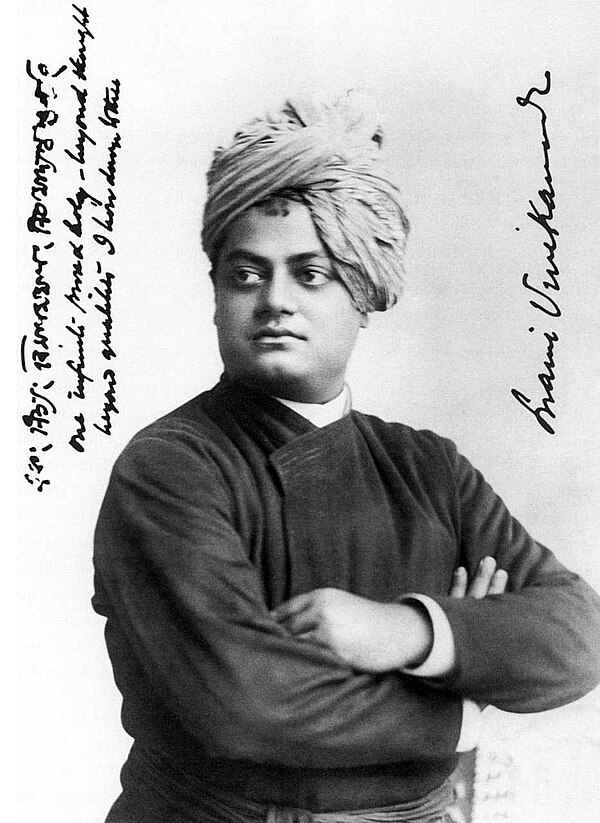
Swami Vivekananda's assertion that "Comfort is no test of truth. Truth is often far from being comfortable" invites us to reconsider our relationship with truth and the often unsettling nature of genuine understanding. In a world that frequently prioritizes comfort over authenticity, this statement serves as a poignant reminder that the pursuit of truth may demand courage and resilience. The stakes are high; to embrace truth is to step into the unknown, challenging our preconceived notions and the comfort zones we have constructed around ourselves.
Vivekananda's words resonate deeply in a contemporary context where the allure of comfort often leads to complacency. The truth, as he suggests, is not always wrapped in the soft fabric of ease; rather, it can be a harsh, unyielding force that compels us to confront our fears, biases, and limitations. This exploration of truth requires a willingness to endure discomfort and to engage with the complexities of existence, ultimately leading us toward a more profound understanding of ourselves and the world around us.
The image / the metaphor
The imagery in Vivekananda's quote starkly contrasts comfort with truth, suggesting that the two are not only distinct but often at odds with one another. The verb "test" implies a trial or challenge, indicating that truth is something to be sought after, often through struggle. The notion of comfort evokes a sense of ease and safety, creating a vivid dichotomy between the two states. This tension between comfort and truth invites us to reflect on our own lives: how often do we choose the familiar over the authentic, the easy over the enlightening?
Diving deeper into the metaphor, we can see that comfort represents a state of stagnation, a place where growth is stifled by the soft cushions of familiarity. In contrast, truth is depicted as a rugged terrain, demanding that we traverse its rocky paths with courage and determination. This journey toward truth is not merely an intellectual exercise; it is an emotional and spiritual odyssey that requires us to confront our vulnerabilities and embrace the discomfort that often accompanies profound insights.
In the speaker's tradition
Swami Vivekananda's teachings are deeply rooted in the Hindu tradition, which emphasizes the pursuit of truth as a fundamental aspect of spiritual growth. Concepts such as dharma, or righteous duty, and prajna, or wisdom, underscore the importance of aligning one's actions with a deeper understanding of reality. In this context, the discomfort that arises from seeking truth can be seen as a necessary part of fulfilling one's dharma, as it often requires us to challenge societal norms and personal beliefs that may not serve our highest selves.
Moreover, Vivekananda's perspective echoes the teachings found in the Upanishads, where the quest for self-realization often involves confronting uncomfortable truths about the nature of existence. The idea of kenosis, or self-emptying, aligns with this pursuit, suggesting that to embrace truth, one must be willing to let go of preconceived notions and attachments. This process of shedding layers of comfort can lead to a profound transformation, allowing individuals to experience the essence of their being and the interconnectedness of all life.
Living the teaching
In our modern lives, the teaching of Vivekananda can manifest in various scenarios, particularly in the realm of personal growth. Consider a situation where an individual is faced with the decision to confront a toxic relationship. The comfort of familiarity may tempt them to remain in the relationship, despite its detrimental effects. However, the pursuit of truth—recognizing the need for healthy boundaries and self-respect—may require them to endure the discomfort of change, ultimately leading to a more authentic and fulfilling life.
This teaching also finds relevance in the context of daily practices such as meditation or self-reflection. Engaging in these practices often brings to the surface uncomfortable truths about ourselves, our motivations, and our fears. For instance, during meditation, one might confront feelings of inadequacy or anxiety that have been buried beneath layers of distraction and comfort. By facing these emotions head-on, we cultivate the courage to embrace our true selves, allowing the discomfort to guide us toward deeper insights and personal transformation.
A reflection
As we contemplate Swami Vivekananda's profound insight, we are invited to ask ourselves: What uncomfortable truths am I avoiding in my life? This question encourages us to reflect on the areas where we may be prioritizing comfort over authenticity, urging us to embrace the discomfort that often accompanies genuine growth. By engaging with this inquiry, we open ourselves to the possibility of transformation, allowing the pursuit of truth to illuminate our paths and guide us toward a more meaningful existence.