Awakening to the Journey Within
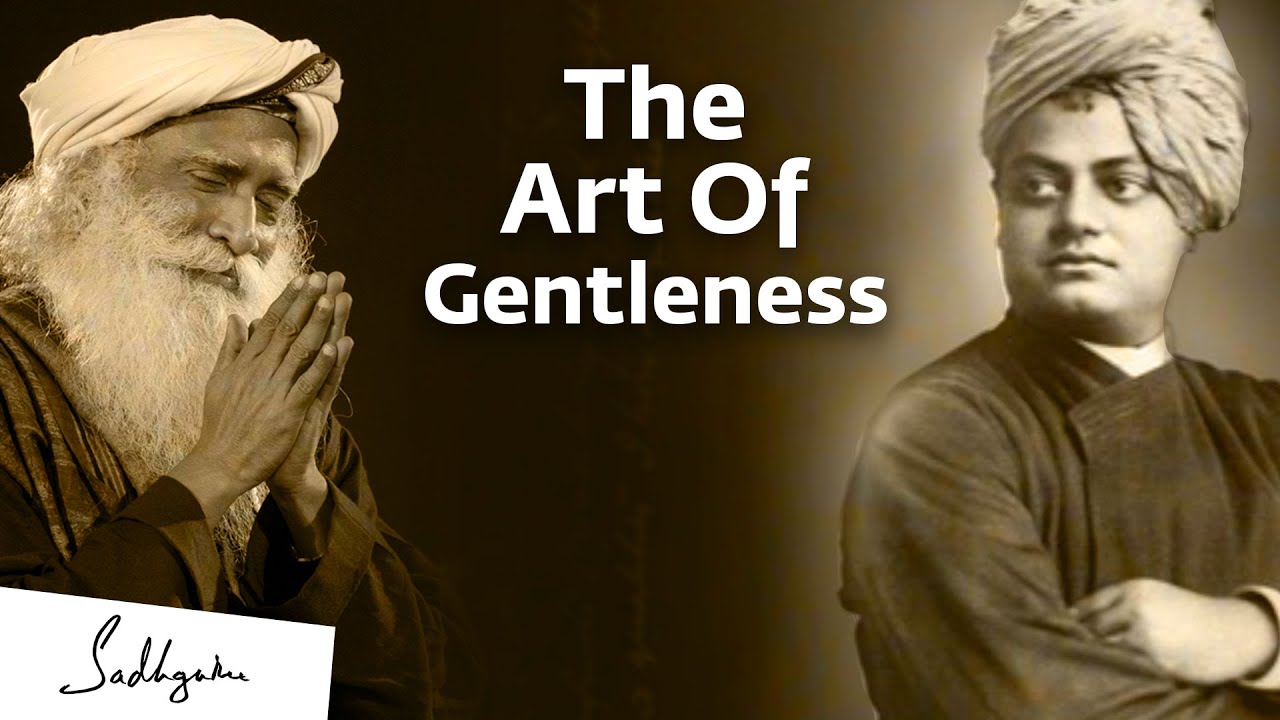
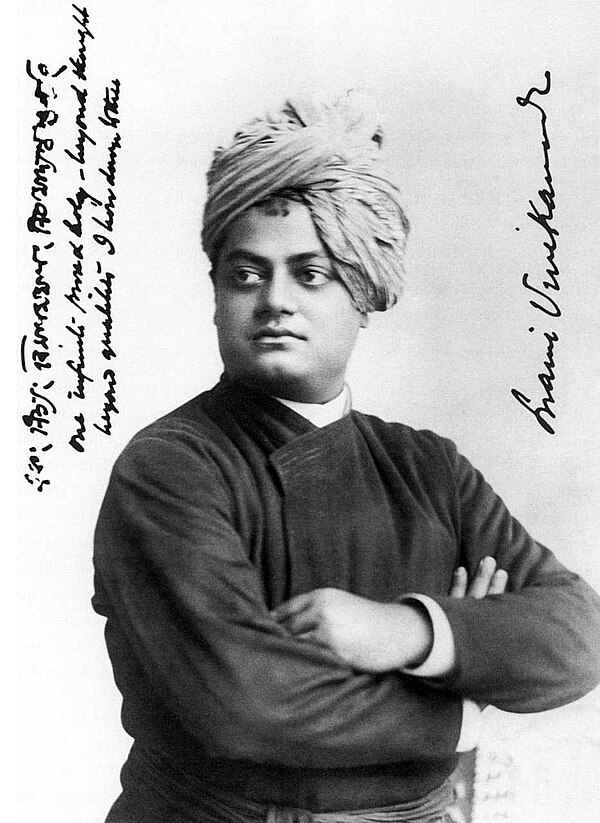
Swami Vivekananda's exhortation to "Arise! Awake! And stop not until the goal is reached" serves as a powerful call to action, urging us to awaken from the slumber of complacency and to pursue our highest aspirations with unwavering determination. This quote encapsulates the essence of spiritual awakening and the relentless pursuit of personal and collective goals. In a world often clouded by distractions and inertia, this message resonates deeply, reminding us of the courage required to embark on our unique journeys.
At its core, this quote speaks to the transformative power of awakening—both in a literal sense and in the broader context of self-realization. It invites us to confront the barriers that hold us back and to cultivate the perseverance necessary to transcend them. The urgency in Vivekananda's words is palpable, suggesting that the journey toward enlightenment and fulfillment is not merely a passive endeavor but an active, dynamic process that demands our full engagement and commitment.
The image / the metaphor
The imagery in Vivekananda's quote is striking and evocative. The verbs "arise" and "awake" conjure a sense of movement and vitality, suggesting that awakening is not a singular event but a continuous process of rising to new heights of understanding and awareness. The imperative nature of these words compels us to take action, to shake off the lethargy that often accompanies our daily lives, and to step boldly into the unknown. The phrase "stop not until the goal is reached" reinforces the idea of perseverance, urging us to maintain our momentum and dedication as we navigate the challenges that lie ahead.
Diving deeper into the metaphor, we can see that "arising" implies a departure from a state of ignorance or unawareness, while "awakening" suggests a profound realization of our true nature and purpose. This duality reflects the spiritual journey itself, where the initial awakening leads to a series of transformative experiences that propel us toward our ultimate goals. The metaphor of a journey is rich with implications, suggesting that the path to self-discovery is fraught with obstacles, yet filled with opportunities for growth and enlightenment.
In the speaker's tradition
Swami Vivekananda's teachings are deeply rooted in the Hindu tradition, which emphasizes the concepts of dharma, or righteous duty, and the pursuit of self-realization. The call to "arise" and "awake" resonates with the idea of fulfilling one's dharma, as it encourages individuals to recognize their unique roles in the tapestry of existence. This notion is further enriched by the concept of kenosis, or self-emptying, which invites us to let go of ego-driven desires in order to embrace a higher purpose. In this light, Vivekananda's exhortation becomes not just a personal call to action but a collective invitation to engage in the greater good.
In the context of Hindu scriptures, we can draw parallels to the Bhagavad Gita, where Lord Krishna urges Arjuna to rise and fulfill his duty as a warrior. This call to action is not merely about physical combat but symbolizes the inner struggle we all face in overcoming our doubts and fears. The Gita teaches that true awakening involves recognizing our interconnectedness and the responsibilities that arise from it, echoing Vivekananda's message of perseverance and courage on the path to self-realization.
Living the teaching
Consider a modern scenario where an individual feels stuck in their career, grappling with self-doubt and fear of failure. The call to "arise" and "awake" serves as a powerful reminder that the first step toward change is to confront these internal barriers. By embracing the courage to pursue their passions and aspirations, they can begin to break free from the shackles of complacency. This journey may involve seeking new opportunities, acquiring new skills, or even redefining their goals, all of which require a steadfast commitment to the process of awakening.
In the realm of relationships, the teaching can manifest in the courage to communicate openly and authentically. When conflicts arise, the imperative to "stop not until the goal is reached" encourages individuals to engage in difficult conversations, fostering understanding and connection. This approach not only deepens relationships but also cultivates a sense of shared purpose, as both parties work together toward resolution and growth. In both scenarios, the essence of Vivekananda's message is clear: awakening and perseverance are essential components of a fulfilling life.
A reflection
As we contemplate Swami Vivekananda's powerful words, we are invited to reflect on our own journeys. What goals have we set for ourselves, and what barriers stand in our way? In the spirit of awakening, let us consider the courage required to confront these obstacles and the perseverance needed to pursue our aspirations. How can we embody the essence of "arise" and "awake" in our daily lives, and what steps can we take to ensure that we do not stop until our goals are reached?