The Depth of Understanding: Beyond Words in Spiritual Realization
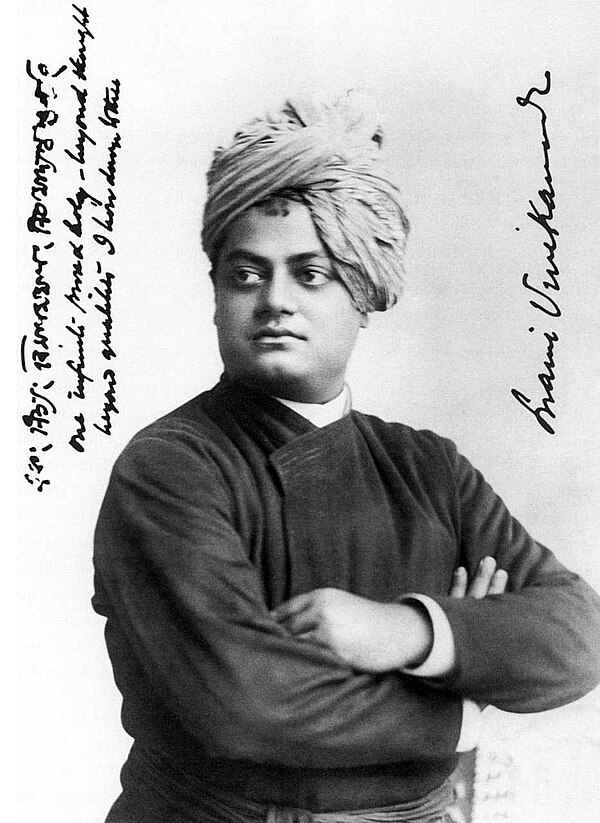
Swami Vivekananda's assertion that "We may go through millions of books, but we cannot understand a word of religion or of God unless we attain spiritual realization" invites us to consider the limitations of intellectual knowledge in the realm of spirituality. This statement underscores the profound truth that mere accumulation of information is insufficient for genuine understanding of the divine or the essence of religious experience. It compels us to reflect on the necessity of personal transformation and inner awakening as prerequisites for true comprehension of spiritual truths.
In a world inundated with texts, teachings, and doctrines, the quest for spiritual insight often becomes a journey of the mind rather than the heart. Vivekananda's words remind us that the essence of spirituality transcends the written word; it is an experiential reality that demands our full engagement. This realization beckons us to move beyond the confines of intellectualism and to embrace a deeper, more intimate relationship with the divine, one that is rooted in direct experience rather than theoretical understanding.
The image / the metaphor
At the heart of Vivekananda's quote lies a vivid metaphor that juxtaposes the vastness of literature against the singularity of spiritual realization. The imagery of "millions of books" evokes a sense of overwhelming abundance, suggesting that while knowledge is plentiful, it can also be superficial. The verbs "go through" imply a passive engagement, highlighting that reading alone does not equate to understanding. This metaphor serves as a poignant reminder that spiritual truths cannot be fully grasped through intellectual inquiry alone; they require an active, transformative experience.
Diving deeper into this metaphor, we can see that the journey of spiritual realization is akin to navigating a vast ocean. The books represent the surface waves, enticing and captivating, yet ultimately unable to convey the depths of the ocean's mysteries. To truly understand the essence of spirituality, one must plunge beneath the surface, embracing the unknown and allowing oneself to be transformed by the experience. This metaphor invites us to consider the courage it takes to seek deeper truths, urging us to dive into the depths of our own consciousness.
In the speaker's tradition
Swami Vivekananda's teachings are deeply rooted in the Hindu tradition, where concepts such as dharma, bhakti, and prajna play pivotal roles in the spiritual journey. Dharma, or the moral law, guides individuals in their pursuit of truth, while bhakti emphasizes devotion and love for the divine. Prajna, often translated as wisdom or insight, reflects the understanding that arises from direct experience rather than mere intellectual study. In this context, Vivekananda's assertion resonates with the idea that true wisdom is born from the union of knowledge and experience, a theme prevalent in the teachings of the Upanishads.
In the Upanishads, we find a parallel to Vivekananda's message in the concept of "Tat Tvam Asi," which translates to "That Thou Art." This phrase encapsulates the essence of non-duality, suggesting that the seeker and the divine are ultimately one. The realization of this truth cannot be achieved through books alone; it requires an inner awakening that transcends the intellect. Thus, Vivekananda's call for spiritual realization aligns seamlessly with the core teachings of his tradition, emphasizing the necessity of experiential knowledge in understanding the divine.
Living the teaching
Consider a modern scenario where an individual, overwhelmed by the plethora of spiritual literature available today, finds themselves lost in a sea of conflicting ideas and practices. They may read countless books on meditation, mindfulness, and enlightenment, yet still feel a profound sense of disconnection from their own spiritual essence. In this context, Vivekananda's teaching serves as a guiding light, encouraging them to step away from the written word and engage in a personal practice that fosters direct experience, such as meditation or contemplation. By doing so, they may discover that true understanding arises not from reading about spirituality, but from living it.
In relationships, this teaching can manifest in the way we communicate and connect with others. For instance, one might read extensively about love and compassion, yet struggle to embody these qualities in their interactions. By focusing on spiritual realization—through practices like active listening, empathy, and presence—one can cultivate a deeper understanding of love that transcends theoretical knowledge. This shift from intellectual understanding to lived experience allows for a more authentic connection with oneself and others, embodying the essence of Vivekananda's wisdom.
A reflection
As we contemplate Swami Vivekananda's profound assertion, we are invited to reflect on our own relationship with knowledge and experience. Are we, like many, caught in the cycle of accumulating information without seeking the transformative experiences that lead to true understanding? In what ways can we cultivate spiritual realization in our lives, moving beyond the confines of books to embrace the deeper truths that await us within? This inquiry invites us to explore the depths of our own consciousness and the divine, fostering a journey of authentic spiritual awakening.



Join the BrightStar Community
Stay connected with daily inspiration, event announcements, and community wisdom