The Perils of Inaction: Embracing Purposeful Engagement
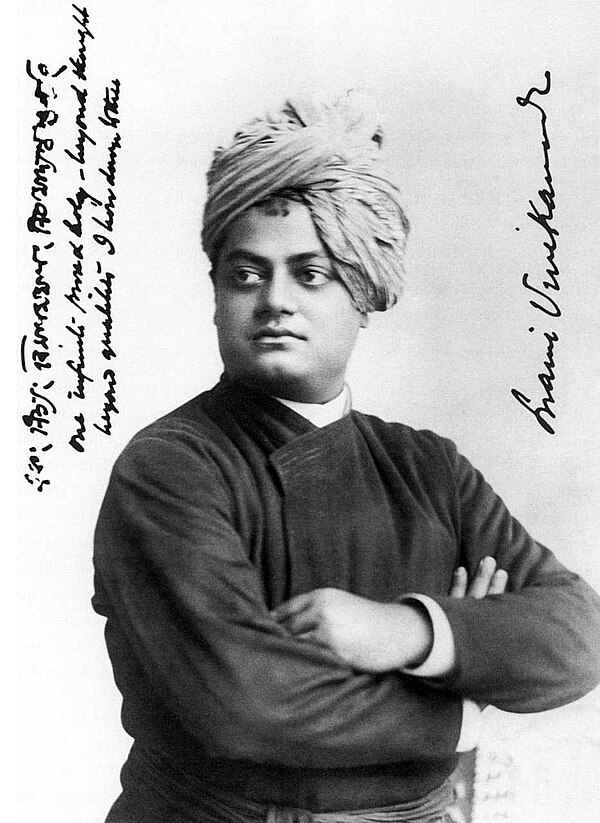
Swami Vivekananda's assertion that "Idleness is the greatest evil; do not yield to it" serves as a profound reminder of the importance of active engagement in our lives. This statement challenges us to confront the often seductive allure of inactivity, urging us to recognize that idleness can lead to stagnation, both spiritually and personally. In a world filled with distractions, the stakes are high; our potential for growth and fulfillment hinges on our willingness to embrace discipline and purposeful action.
At its core, this quote invites us to reflect on the nature of work and the role it plays in our spiritual journey. Idleness, in Vivekananda's view, is not merely the absence of activity but a state that can lead to a disconnection from our true selves and our higher purpose. By understanding the transformative power of disciplined action, we can cultivate a life rich with meaning, creativity, and connection to the divine, ultimately steering clear of the pitfalls of complacency.
The image / the metaphor
Vivekananda's choice of the word "idleness" evokes a vivid image of stagnation, a state where the mind and spirit become ensnared in a web of inertia. The term "greatest evil" suggests a moral dimension to this idleness, implying that it is not simply a benign state of being but a significant barrier to our spiritual and personal development. The verb "yield" further emphasizes the active choice involved in succumbing to idleness, suggesting that we have the power to resist this temptation and instead engage in meaningful work.
Diving deeper into the metaphor, we can see idleness as a form of spiritual entropy, where the vibrancy of life diminishes in the absence of purposeful action. This metaphor extends beyond mere physical labor; it encompasses the mental and emotional realms as well. When we allow ourselves to drift into idleness, we risk losing touch with our passions, our creativity, and our connection to the world around us. In this sense, the quote serves as a clarion call to awaken from the slumber of inaction and to embrace the dynamic flow of life through disciplined engagement.
In the speaker's tradition
Swami Vivekananda's teachings are deeply rooted in the Hindu tradition, where the concept of dharma plays a pivotal role. Dharma, often translated as duty or righteousness, underscores the importance of fulfilling one's responsibilities with dedication and integrity. In this context, idleness can be seen as a deviation from one's dharma, leading to a disconnection from the greater cosmic order. The practice of disciplined work, or sadhana, aligns with the idea of living in accordance with one's true nature and purpose, fostering a sense of fulfillment and spiritual growth.
Moreover, Vivekananda's emphasis on action resonates with the teachings found in the Bhagavad Gita, where Lord Krishna advises Arjuna on the importance of performing one's duty without attachment to the fruits of the action. This notion of selfless action, or karma yoga, reinforces the idea that engaging in work is not only a means of personal development but also a way to contribute to the welfare of others. By embracing our responsibilities and engaging in disciplined action, we align ourselves with the flow of life and the divine will.
Living the teaching
Consider a modern scenario where the teaching of Vivekananda can be applied: the struggle many face in the age of digital distraction. With endless scrolling through social media and binge-watching shows, it is easy to fall into a state of idleness, where time slips away without meaningful engagement. By consciously choosing to set aside time for productive activities—be it pursuing a hobby, volunteering, or engaging in creative projects—we can reclaim our time and channel our energies into endeavors that nourish our spirit and contribute to our growth.
In the realm of relationships, the teaching can manifest in the way we engage with loved ones. During difficult moments, it is tempting to withdraw and retreat into silence, allowing idleness to create emotional distance. Instead, by choosing to communicate openly and actively participate in resolving conflicts, we honor our connections and foster deeper understanding. This disciplined engagement not only strengthens our relationships but also cultivates a sense of shared purpose and commitment to one another.
A reflection
As we contemplate Vivekananda's powerful words, we are invited to ask ourselves: In what areas of my life am I yielding to idleness, and how can I transform that into purposeful action? This question encourages us to reflect on our daily choices and the ways in which we can align our actions with our higher aspirations. By embracing the discipline of engagement, we can awaken our potential and contribute meaningfully to the world around us.




Join the BrightStar Community
Stay connected with daily inspiration, event announcements, and community wisdom