Seeing the Self in All: The Essence of Unity
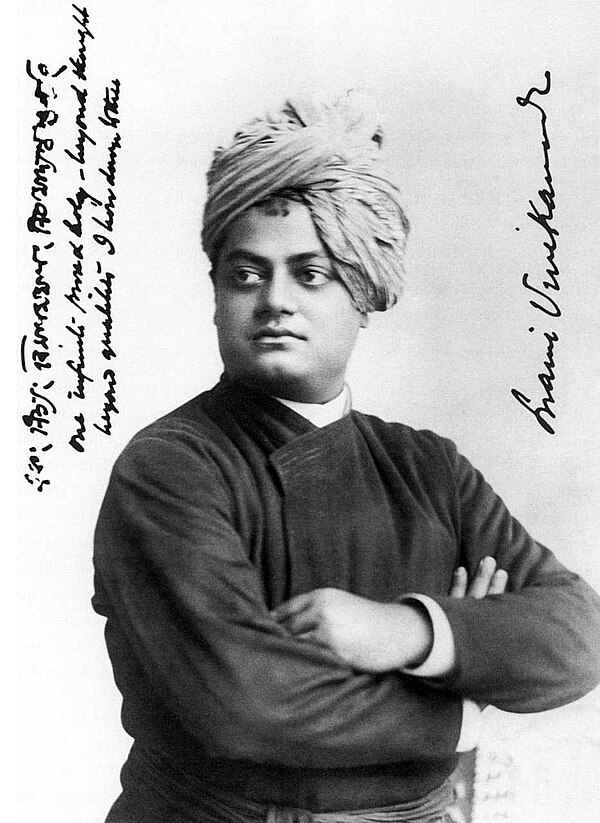
Swami Vivekananda's profound assertion that "He who experiences the unity of life sees his own Self in all beings, and all beings in his own Self, and looks on everything with an impartial eye" invites us to explore the intricate web of existence that binds all living beings. This statement encapsulates the essence of oneness, urging us to transcend the illusion of separateness that often clouds our perception. In a world rife with division and conflict, understanding this unity becomes not just a philosophical exercise but a vital necessity for fostering compassion and harmony.
To experience this unity is to awaken to a deeper reality, one where the boundaries of self dissolve into a collective consciousness. It challenges us to reconsider our relationships with others, nature, and even ourselves. By recognizing that our individual essence is interwoven with the fabric of all existence, we are called to cultivate an impartial gaze—one that sees beyond superficial differences and embraces the shared spirit that animates all beings. This perspective not only enriches our lives but also transforms our interactions, fostering a sense of belonging and interconnectedness.
The image / the metaphor
The imagery in Vivekananda's quote evokes a profound sense of interconnectedness. The verbs "experiences," "sees," and "looks" suggest an active engagement with life, where perception is not merely passive but deeply participatory. The phrase "unity of life" conjures a vision of a vast tapestry, where each thread, representing a being, contributes to the overall design. This metaphor of the tapestry illustrates how individual lives, while distinct, are inextricably linked, each influencing and reflecting the others.
Diving deeper into the metaphor, we can envision the "impartial eye" as a lens that strips away biases and judgments, allowing us to perceive the essence of existence without the distortions of ego. This impartiality is not indifference; rather, it is a compassionate awareness that recognizes the sacredness in every being. It invites us to see ourselves in others and to acknowledge the shared struggles and joys that define our humanity. In this way, the metaphor becomes a call to cultivate empathy and understanding, fostering a world where love and acceptance prevail over division.
In the speaker's tradition
Swami Vivekananda's teachings are deeply rooted in the rich philosophical tradition of Hinduism, particularly in concepts such as dharma, the moral order of the universe, and prajna, the wisdom that arises from understanding the interconnectedness of all life. His emphasis on unity resonates with the notion of sunyata, or emptiness, found in Buddhist thought, which suggests that the self is an illusion, and true understanding comes from recognizing our shared essence. This perspective aligns with the practice of bhakti, or devotion, where the devotee sees the divine in every being, fostering a sense of love and reverence for all life.
In the Bhagavad Gita, a foundational text for both Hindu philosophy and spiritual practice, Krishna imparts wisdom about the nature of the self and its relationship to the universe. The Gita teaches that the true self, or Atman, is eternal and unchanging, while the material world is transient. This understanding encourages practitioners to transcend the ego and recognize their unity with all beings, echoing Vivekananda's call to see oneself in others. Such teachings serve as a guiding light for those seeking to embody the principles of unity and compassion in their daily lives.
Living the teaching
Consider a modern scenario where this teaching can be applied: a workplace filled with diverse personalities and backgrounds. Conflicts may arise from misunderstandings or differing opinions, often leading to a fragmented environment. By embracing the idea of unity, one can approach colleagues with a sense of empathy, recognizing that each person brings their own experiences and struggles to the table. This shift in perspective allows for more constructive dialogues and collaborative efforts, ultimately fostering a sense of community and shared purpose.
In personal relationships, the teaching of unity can be transformative, especially during challenging moments. Imagine a disagreement with a loved one, where emotions run high and perspectives clash. By invoking the impartial eye that Vivekananda speaks of, one can step back and seek to understand the other’s viewpoint, recognizing that beneath the surface, both parties share the same desires for love, respect, and understanding. This practice of seeing the self in the other not only diffuses tension but also deepens the bond between individuals, nurturing a relationship grounded in compassion and mutual respect.
A reflection
As we contemplate Vivekananda's profound insight, we are invited to reflect on our own lives: How often do we truly see ourselves in others? In what ways can we cultivate an impartial eye that recognizes the shared essence of all beings? This contemplation challenges us to examine our biases and judgments, urging us to embrace a more expansive view of existence that honors the interconnectedness of life. In doing so, we may find a path toward greater compassion and understanding, both for ourselves and for the world around us.



Join the BrightStar Community
Stay connected with daily inspiration, event announcements, and community wisdom