The Inner Reservoir of Power
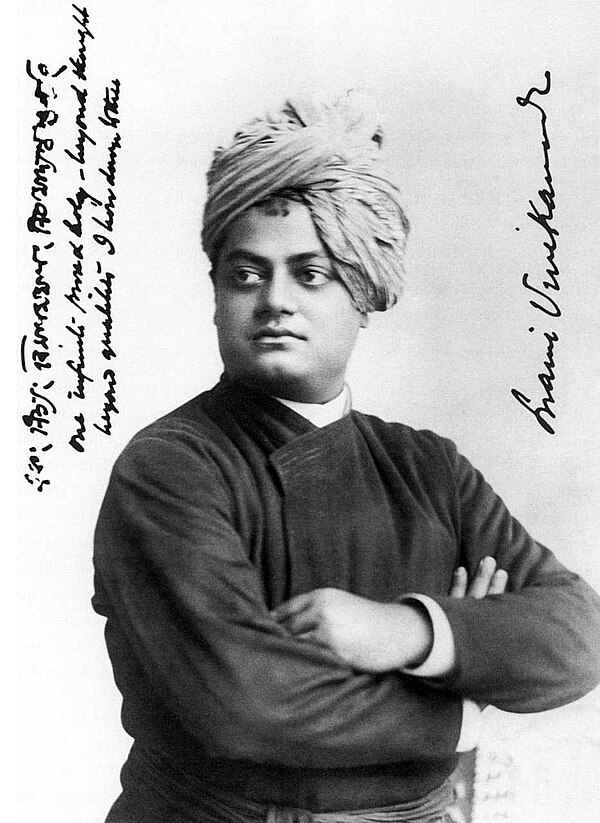
Swami Vivekananda's assertion that "All power is within you; you can do anything and everything. Believe in that, do not believe that you are weak," serves as a profound reminder of the innate strength that resides within each individual. This statement challenges the pervasive narrative of self-doubt and limitation that often clouds our perception of potential. By emphasizing the necessity of belief in oneself, Vivekananda invites us to explore the depths of our capabilities and the transformative power of self-affirmation.
In a world where external validation frequently dictates our sense of worth, this quote stands as a beacon of empowerment. It encourages us to look inward, to recognize that the source of our strength is not external circumstances or the approval of others, but rather an intrinsic quality that is always accessible. This understanding is crucial, as it lays the foundation for personal growth, resilience, and the pursuit of our highest aspirations.
The image / the metaphor
The imagery in Vivekananda's quote evokes a sense of boundless potential, suggesting that power is not a distant or external force, but rather an inherent aspect of our being. The phrase "all power is within you" conjures a vision of an inner reservoir, a wellspring of energy and capability that is waiting to be tapped. The verbs "can do" and "believe" emphasize action and faith, inviting us to engage actively with our own potential rather than passively waiting for change to occur.
In the speaker's tradition
Swami Vivekananda's teachings are deeply rooted in the Hindu tradition, which emphasizes the concept of dharma, or one's duty and purpose in life. This idea aligns with the notion of self-empowerment, as recognizing our unique path allows us to harness our inner strength effectively. Furthermore, the principles of bhakti, or devotion, and prajna, or wisdom, play a crucial role in this journey. By cultivating a deep sense of devotion to our own potential and seeking wisdom through introspection, we can align ourselves with our true nature.
In the context of Hindu philosophy, the Upanishads offer profound insights into the nature of the self and its connection to the universal spirit. For instance, the Chandogya Upanishad speaks of the essence of the self as "Tat Tvam Asi," meaning "That Thou Art." This teaching reinforces the idea that recognizing our own power is not merely an act of self-affirmation but a recognition of our unity with the cosmos. By understanding that we are not separate from the divine, we can embrace our inherent strength and potential.
Living the teaching
Consider a modern scenario where this teaching resonates: an individual facing a significant career change. The fear of failure and self-doubt may loom large, creating a barrier to pursuing a new opportunity. However, by internalizing Vivekananda's message, this person can shift their perspective, recognizing that the power to succeed lies within them. Embracing this belief can lead to proactive steps, such as seeking mentorship, acquiring new skills, or simply having the courage to take that first leap into the unknown.
Another application of this teaching might arise in the context of personal relationships. Imagine someone grappling with feelings of inadequacy in a partnership, believing they are not worthy of love or respect. By reflecting on Vivekananda's words, they can begin to cultivate self-love and assert their needs, understanding that their worth is not contingent upon the opinions of others. This shift in mindset can transform the dynamics of the relationship, fostering healthier communication and deeper connections.
A reflection
As we contemplate Swami Vivekananda's powerful assertion, we are invited to engage in a personal inquiry: What beliefs about my own power and potential are holding me back? This question encourages us to examine the narratives we tell ourselves and to challenge any limiting beliefs that may have taken root. By reflecting on this, we can begin to dismantle the barriers that prevent us from fully embracing our capabilities and stepping into the fullness of our lives.



Join the BrightStar Community
Stay connected with daily inspiration, event announcements, and community wisdom